
Division II ២
Language and learning
Language and learning covers the Khmer language and its script, and the literature written and told in Khmer. It also covers the press and broadcasting, and the schools, scholars and collections that keep this knowledge.


Featured article
Tum Teav
Tum Teav is a Cambodian tragic love story of a novice monk named Tum and a young girl named Teav, often called the Cambodian Romeo and Juliet. It has been told in oral, literary, theater and film versions, and Cambodian schools have taught it since 1957.
A place to begin
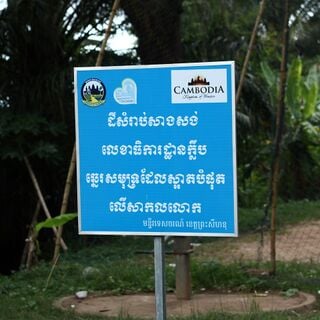
Khmer language
The Khmer language is an Austroasiatic language and the official language of Cambodia, written in the Khmer script.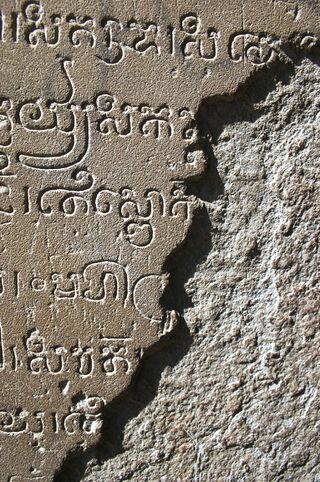
Khmer script
The Khmer script, called aksaa khmae, is the writing system of the Khmer language and the official script of Cambodia.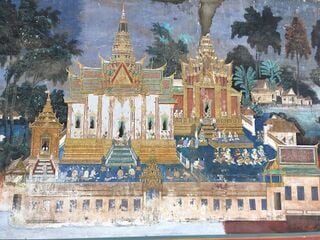
Reamker
The Reamker is the Khmer version of the Ramayana, the Indian epic of Prince Rama, told in Cambodian literature, dance, theater and art.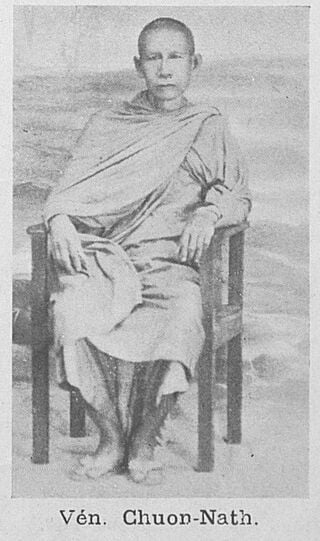
Chuon Nath
Chuon Nath was a Cambodian Buddhist monk and scholar, and a patriarch of the Buddhist clergy.Six sections
- Khmer language, dialects and namesThe Khmer language, its dialects and words, and how Khmer personal names and surnames work.
- Script, inscriptions and romanizationThe Khmer script and its fonts, stone inscriptions, and the ways Khmer is written in Latin letters.
- Classical literature and folkloreThe Reamker, the chbab and classical verse, and the folk tales and legends told and recorded in Khmer.
- Modern literature, press and broadcastingNovels, poetry and memoir of the modern era, newspapers, and Khmer radio, television, podcasts and video.
- Education and scholarshipSchools, universities and scholarships, and the scholars of Khmer studies and their books.
- Archives, libraries and museumsThe collections that keep Khmer records, papers, films and objects, and the history of keeping them.
Other divisions: History and peoples · Belief and arts · Community · All four divisions